
What is a septic tank used for?
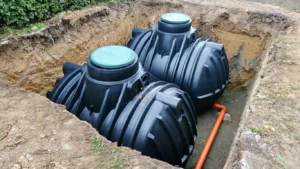
If you do not have access to a mains drainage a septic tank provides a traditional option to dispose of sewage for domestic dwellings. A septic tank is an underground wastewater chamber, that is designed to settle and retain solids from a property. The solids sink to the bottom of the tank and the liquid flows out and soaks into the ground.

How does a septic tank work?
- Wastewater from the property drain into the septic tanks.
- Sewage solids are retained in the septic tank where beneficial bacteria digest the sewage.
- The remaining sludge needs to be regularly removed by a registered contractor
- The liquid containing bacteria, phosphates and nitrates flows out of the tank into either your drainage field or discharge system.
Who is responsible for septic tanks?
If you own or are the occupier of a property with a septic tank, it is then your responsibility to ensure that it complies with the most up-to-date government guidelines – “The General Binding Rules” and, has maintenance when needed.
England’s Septic Tank Regulations
Under General Binding Rules Septic Tanks are no longer allowed to discharge to surface water. The treatment system must meet the relevant British Standard that was in force at the time of installation. The standards currently in force for a new system are:
- BS EN 12566 for small sewage treatment plants
- BS 6297:2007 for drainage fields
For more information on the general binding rules please follow this link: General binding rules: small sewage discharge to a surface water – GOV.UK (www.gov.uk)
Looking after my Septic Tank
It is very important to look after your septic tank and to keep on top of the maintenance because, if your septic tank is NOT in good working order this could be a serious health and environmental risk. It is also a legal responsibility to maintain a septic tank system.
Is your septic tank is working as it should be?
- Drainage should be quick to clear and toilets should not be backing up
- No smells should be coming from the tank
- The soak away should be dry and not swampy and smelly
- A pale liquid with little or no smell should be coming from the discharge pipe
- Ensure to keep deep rooted tree at least 30 metres away from the septic tank system
When should I empty my septic tank?
You should empty your tank at least once a year and make sure the company you use is registered to empty septic tanks.
If you have any further questions or concerns around septic tanks please get in touch and we will be happy to answer any of your questions.
Suddenstrike supplies and installs a variety of septic tank systems and has been doing so for over 35 years in Cheshire and the surrounding areas.
In other news...
Suddenstrike Drain Care: Foul drainage systems – Cesspools, Septic tanks and waste treatment plants
Have you ever stopped to wonder what happens to foul waste when you flush the toilet? The chances are you probably haven’t, but in the UK there are various different ways in which waste water is taken from the home and processed. In this June 2026 edition of the Suddenstrike Drain Care blog, we will…

Protecting crops from wildlife damage: What works in practice
Suddenstrike Fencing Blog: June 2026 with Gallagher Power Fencing Suddenstrike Fencing are approved stockists for Gallagher Power Fence products. In this June 2026 issue of our Fencing blog, we discuss the reasons crops need to be protected from wildlife damage and what methods work to achieve this. For full details on the range of wildlife…